ColdFusion Maintenance in 2026: How to Keep Legacy CF Applications Future-Ready
Published by: Gautham Krishna RJan 08, 2026Blog
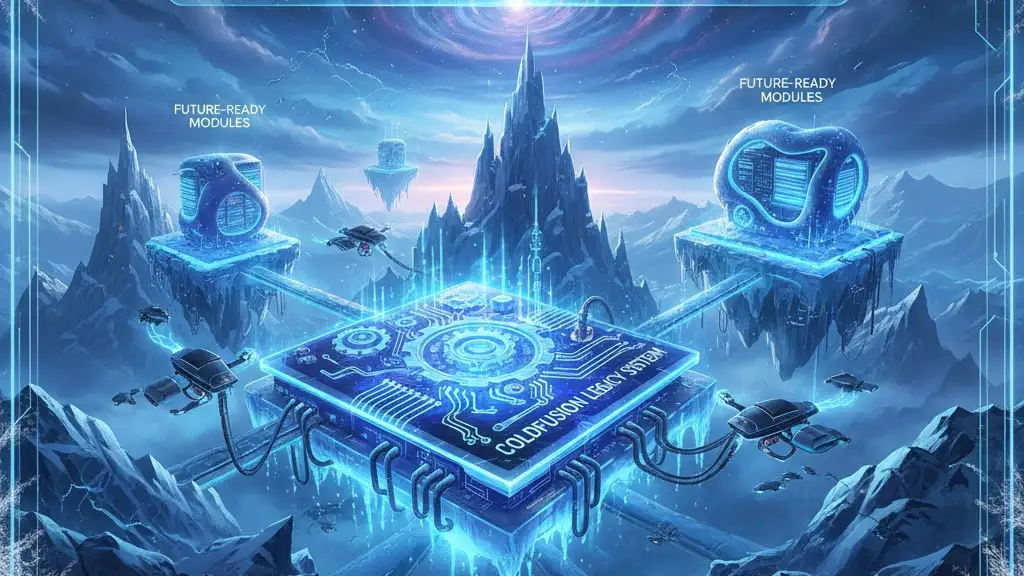
For businesses relying on legacy ColdFusion applications, 2026 presents both a challenge and an opportunity. These applications often run critical business processes, but their aging architecture can pose significant risks. Proactive, strategic maintenance is no longer optional--it's essential for security, compliance, and operational continuity. This guide outlines a forward-looking maintenance strategy to ensure your ColdFusion investments remain robust, secure, and aligned with modern business needs.
The goal of modern ColdFusion maintenance transcends mere bug fixes. It is a disciplined program to reduce security exposure, control technical debt, and incrementally modernize the codebase, transforming a legacy liability into a stable, valuable business asset.
Why a Proactive 2026 Maintenance Strategy is Critical
Reactive, "break-fix" maintenance is a high-risk approach for legacy systems. A proactive strategy is crucial for several compelling reasons:
- Security Posture: Unpatched, end-of-life (EOL) ColdFusion versions and outdated Java runtimes are prime targets for cyber attacks. Regular maintenance closes these vulnerabilities.
- Cost of Downtime: System failures in mission-critical applications lead to direct revenue loss, productivity collapse, and reputational damage. Proactive health monitoring prevents these costly events.
- Technical Debt Accumulation: Postponing necessary refactoring or upgrades makes future changes exponentially more difficult and expensive. Consistent maintenance keeps debt manageable.
- Compliance Requirements: Industries like finance and healthcare have strict data governance rules. A well-maintained, auditable system is fundamental for compliance.
A structured maintenance plan directly addresses these risks, ensuring reliability and paving the way for future growth.
Implementing a regular schedule is key. Here is a structured checklist to guide your maintenance program:

From Maintenance to Modernization: A Strategic Pathway
Effective maintenance naturally leads to modernization. This doesn't mean a risky, full-scale rewrite. Instead, follow a phased, low-risk approach:
- Stabilize and Secure: The first priority is to create a stable foundation. This means ensuring you are on a supported version of ColdFusion (like CF2025) with all security patches applied, running on a current, patched Java Runtime Environment (JRE). This step alone dramatically reduces risk.
- Refactor and Decouple: Begin incrementally improving the codebase. Identify key business logic and refactor it into clean, reusable ColdFusion Components (CFCs). A crucial goal is to separate business logic from presentation logic, which might mean moving away from CFML-heavy
.cfm pages to a more structured approach. - Implement APIs and Modernize the Frontend: Expose core application functions as RESTful APIs or GraphQL endpoints. This allows you to replace outdated front-end interfaces with modern JavaScript frameworks (like React or Vue.js) without disturbing the backend business logic. This step delivers a modern user experience while protecting your investment.
- Plan the Platform Evolution: With a cleaner, API-backed application, your options expand. You can containerize the app for easier deployment, migrate it to a cloud environment, or even begin strategically replacing modules with other technologies if it makes business sense.
Partnering with a specialist can make this journey smoother. Evalogical's ColdFusion development services provide the expertise to execute this phased modernization, ensuring each step delivers value and reduces risk.
FAQs:
Q: What's the biggest security risk for an unmaintained ColdFusion app?
A: The greatest risk is running on an unsupported, end-of-life (EOL) version of ColdFusion or Java. When vendors stop providing security patches, every new vulnerability becomes a permanent, un-fixable hole in your system, making it a prime target for automated attacks and data breaches.
Q: We can't afford a full rewrite. What's the smallest first step?
A: The most impactful first step is to get onto a supported software stack. Migrate to a current, supported version of ColdFusion (even if it's just one version newer) and ensure your Java runtime is up-to-date and patched. This immediately improves security and stability, buying you time and reducing risk for subsequent modernization steps.
Q: How do we handle "tribal knowledge" when the original developers are gone?
A: Start a knowledge capture and documentation initiative. Use code analysis tools to generate documentation, diagram key data flows, and mandate code commenting for all new changes. Consider bringing in an experienced partner for an audit--they can help document the system and train your team, transferring critical knowledge back in-house.
Q: Is it worth maintaining our app, or should we just switch technologies?
A: This is a business decision, not just a technical one. Calculate the Total Cost of Ownership (TCO). Factor in the high cost, risk, and time of a full rewrite against the cost of a structured modernization. Often, incrementally modernizing a stable, mission-critical ColdFusion application is far more cost-effective and less risky than a ground-up rebuild, as it preserves your core business logic.
Q: Can modern maintenance practices improve our app's performance?
A: Absolutely. Proactive maintenance includes performance monitoring and tuning. Optimizing database queries, implementing caching strategies (for queries, fragments, or objects), and ensuring proper JVM configuration can lead to dramatic performance improvements, resulting in a better user experience and lower server costs.
Legacy doesn't have to mean obsolete. With a strategic maintenance and modernization plan, your ColdFusion applications can be secure, performant, and ready for the future. Don't let technical debt dictate your business capabilities.



 Salesforce vs. Creatio: Which ....
 How AI Improves Field Sales Pl....
 How Malaysian Enterprises Can ....
 The 2027 Guide to BNM RMiT Com....
 AI-Powered Account Planning: T....


Your Trusted Software Development Company